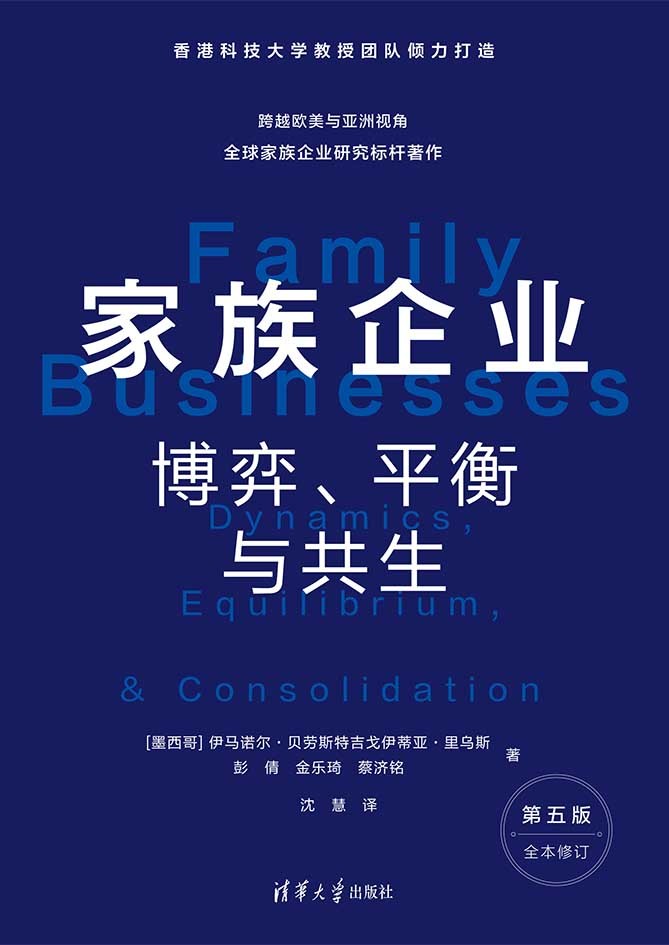
Introduced by the HKUST team
Family Businesses
Dynamics, Equilibrium & Consolidation
Wealth that lasts beyond three generations, enterprises built to endure: spanning European, American and Asian perspectives, and integrating theory, empirical evidence and diagnostic tools
This book is dedicated to the memory of our distinguished collaborator, Chair of the Academic Advisory Committee of the HKUST Roger King Center, and pioneer of international family business research — Professor Jess Chua.
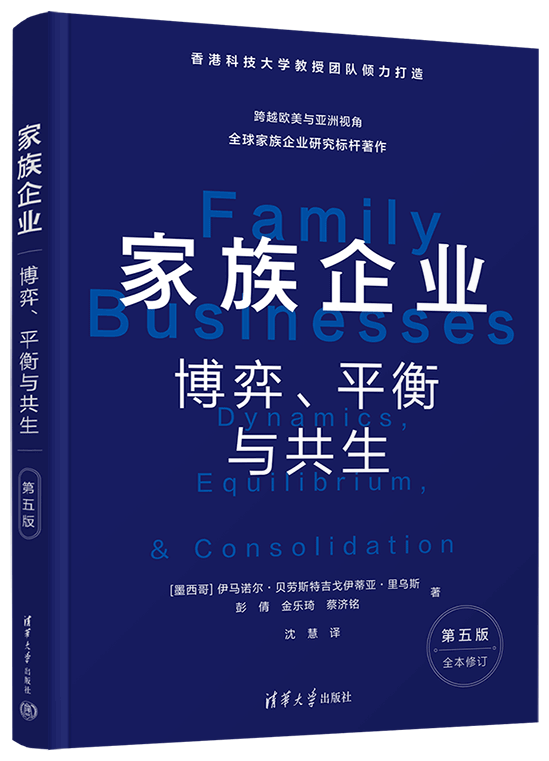
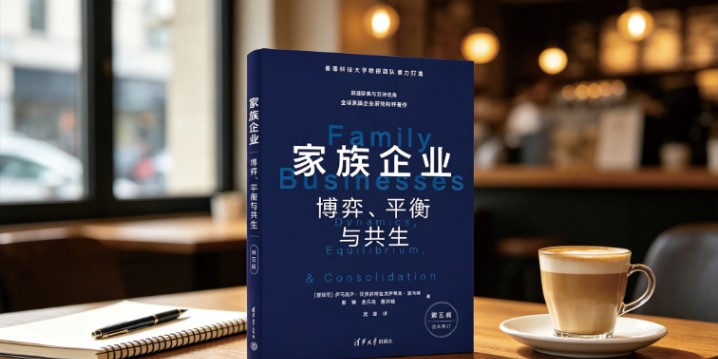
Family Businesses
Dynamics, Equilibrium & Consolidation (5th Edition)
Family businesses play a pivotal role in the global economy. Yet, with rapid changes in the external environment and shifts in social structures, Asian family businesses are facing unprecedented challenges. At the same time, the market lacks family business textbooks that are grounded in Asian realities and combine theoretical depth with practical value. To this end, the Roger King Center for Asian Family Business and Family Office at the Hong Kong University of Science and Technology helped bring in a classic work from the Spanish-speaking world and adapted it locally in light of the realities of Asian family businesses, resulting in this book.
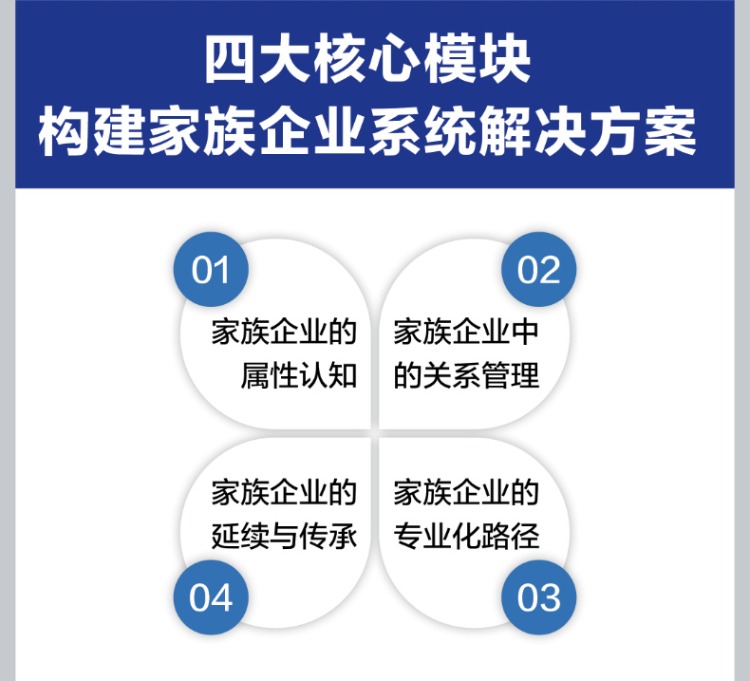
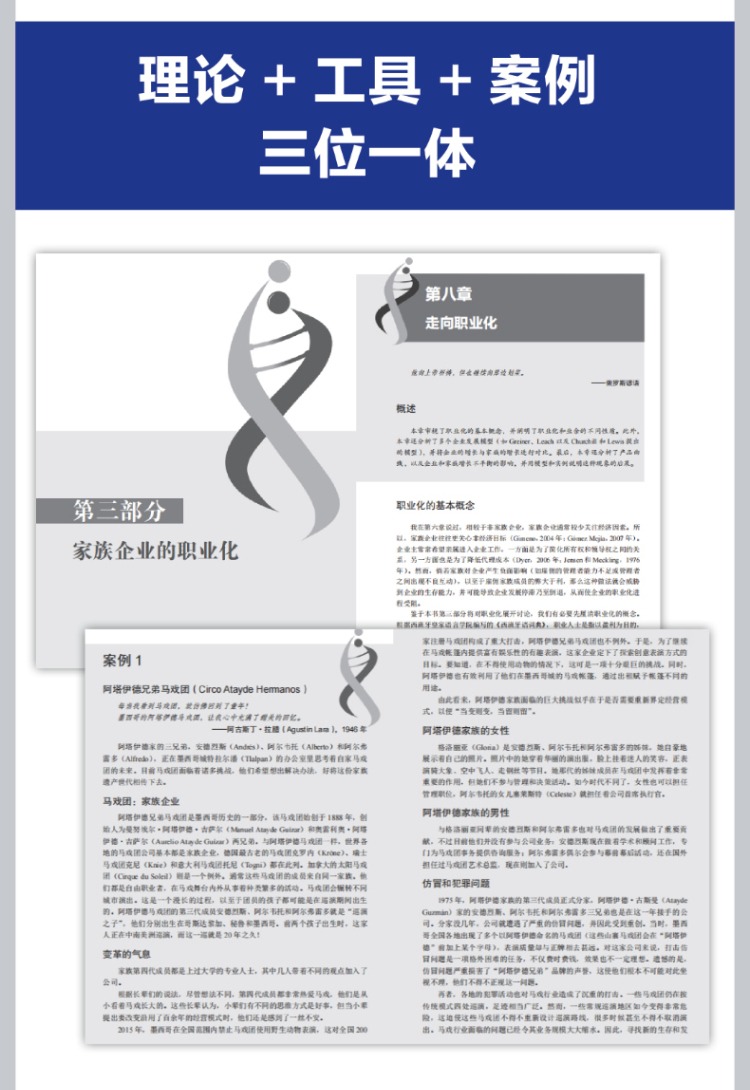
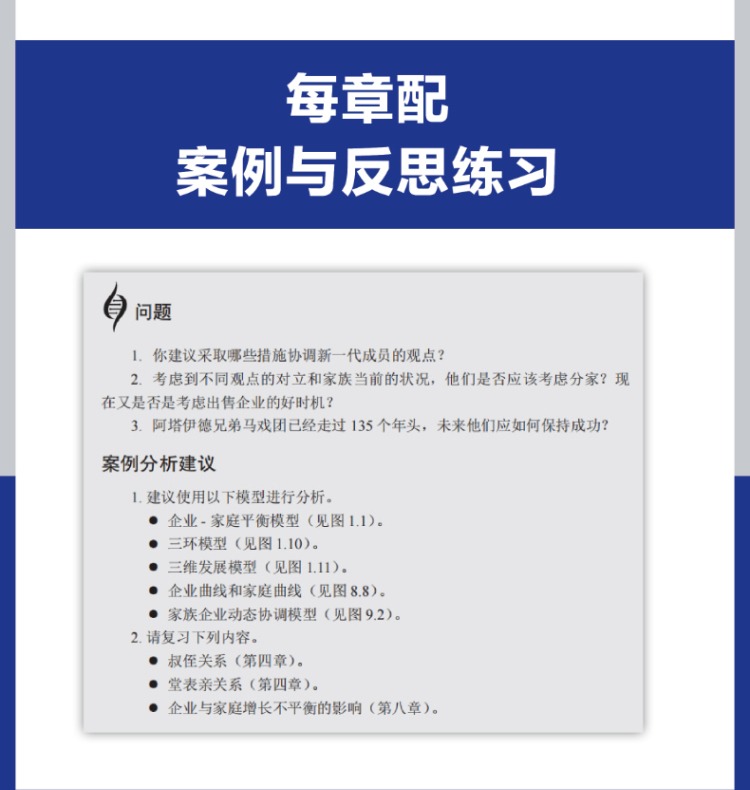
The book has four parts: Part One explores the essential characteristics and distinctive mechanisms of family businesses; Part Two focuses on interpersonal relationships and conflict management within the business, with particular attention to the dynamic interactions among family members; Part Three discusses the professionalization of business operations and the building of institutions; and Part Four concentrates on the paths to sustainable development for family businesses, covering topics such as succession planning and entrepreneurship. The book draws on multiple theoretical frameworks, incorporates real cases of multiple Chinese families, and includes reflection questions, seeking to build a solid bridge between theory and practice.
The original edition of this book has been published up to its fifth edition in the Spanish-speaking world and is widely recognized. This Chinese edition has specially incorporated local cases of Asian, especially Chinese, family businesses, making it more relevant. Balancing theory and practice, the book can serve as a university textbook and can also be consulted at any time by family entrepreneurs, family office practitioners and related professionals, making it a practical toolbook that connects academia and practice.
A Humanistic Approach
Unlike other books that focus on strategy or governance frameworks, this book attends not only to the business itself but also to the needs of the “business family”. It emphasizes a people-centered approach and offers frameworks and tools for thinking about how to balance the relationship between family and business.
Strong Practical Guidance
Each chapter provides workable practical frameworks and tools, closely combining theoretical research with the authors’ rich consulting experience, suitable for direct application by entrepreneurs, family members, advisers and managers.
Comprehensive, Systematic Structure
The book is divided into four parts and systematically covers the attributes of family businesses, interpersonal relationships, paths to professionalization, and succession and continuity. The appendix also provides diagnostic models and practical guides for readers to use as needed.
Broad Readership
In addition to university faculty and students, the book is also suitable for family business owners, advisers, professional managers and wealth management practitioners, helping to improve their understanding of the distinctive nature of family businesses and their ability to serve them.
Localized Adaptation
Building on the translation, the Chinese edition incorporates cases and analysis of Asian and Chinese family businesses, making the content more applicable to the Chinese market.
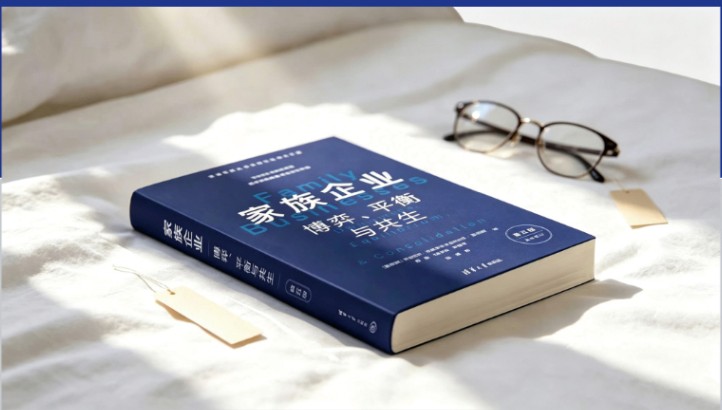
I hope this book will not be one that is “put away once read”, but a bedside book and toolkit to be consulted at any time.
Imanol Belausteguigoitia Rius
Authors
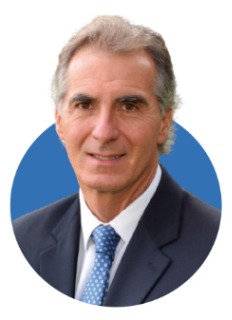
Original AuthorImanol Belausteguigoitia Rius
Professor at the Instituto Tecnológico Autónomo de México (ITAM), founder of its Center for Family Business Development, and lecturer in Harvard Business School’s “Families in Business: From Generation to Generation” program. His work is the most cited in the Spanish-language family business literature.
Read full bioShow less
Imanol Belausteguigoitia Rius is a professor and researcher at the Instituto Tecnológico Autónomo de México (ITAM), founder and director of the university’s Center for Family Business Development, and an adviser, consultant and lecturer to family businesses around the world.
Professor Rius’s career began at the Monterrey Institute of Technology in Mexico, where he worked as an “agricultural engineer”. In his own words, agronomy is a discipline that keeps him “feet on the ground, eyes on the stars”. He later earned his master’s and doctoral degrees in management at the Instituto Tecnológico Autónomo de México and the National Autonomous University of Mexico, and completed postdoctoral research at Babson College in the United States. In 2013, Professor Rius earned a bachelor’s degree in religious sciences from Anáhuac University, and in 2015 a master’s degree in religious sciences with honors. In recent years, he has been a visiting professor at the University of Siegen in Germany, exploring the application of positive psychology to the study of family business.
Professor Rius has taught at the Instituto Tecnológico Autónomo de México since 1997 and founded its Center for Family Business Development in 2000. Since 1999 he has hosted the radio program Reflections on Family Business on the Grupo Fórmula radio network, which has aired more than 900 episodes to date. From 2004 to 2009 he took part in the Harvard Business School program “Business Families: Generational Succession”. In 2002 his doctoral dissertation received the national research award from Mexico’s national association of accounting and management schools. In 2011, Professor Rius was awarded the family business advisor certification by the Family Business Research Association and was admitted to membership. In 2012 he became a member of the National System of Researchers of Mexico’s Council of Science and Technology.
To date, through academic projects, lectures and consulting work he has supported family businesses in many European and American countries, completing more than 300 consulting projects and publishing more than 80 articles in scientific journals and popular publications. Among his many publications, Family Businesses: Dynamics, Equilibrium & Consolidation is the most-cited Spanish-language reference on family business and the first book in the world to present family businesses at multiple levels; it has now been updated to its fifth edition.
In addition, Professor Rius has been active in sports for many years. He trained with the Spanish Olympic middle- and long-distance track team, competed in a number of track events in Europe, and has worked as a coach in track and field, football and physical recovery. He has taken part in many ultra-distance events, including five triathlons, the Lapland ultra-distance race held in support of the charitable work of the Caribbean Agricultural Research and Development Institute, the Sahara Desert marathon, the Swiss five-discipline endurance race, and the coastal challenge held in the jungles of Costa Rica. Despite his many accomplishments in different fields, family is his most important achievement, and the source of his joy and the meaning of his life.
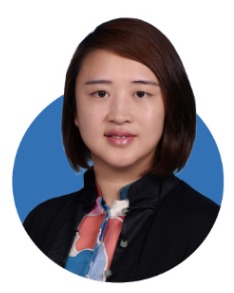
Winnie Qian Peng
Associate Professor in Business Practice of Finance at the Hong Kong University of Science and Technology, Director of the Roger King Center for Asian Family Business and Family Office, and Academic Director of the MSc in Family Office and Family Business, with more than twenty years of research and teaching in the field.
Read full bioShow less
Winnie Qian Peng is currently Associate Professor in Business Practice of Finance at the Hong Kong University of Science and Technology, Director of the Roger King Center for Asian Family Business and Family Office, Academic Director of the MSc in Family Office and Family Business, and Director of the Thompson Center for Business Case Studies. She also serves as an adviser or director at several family businesses and family office platforms around the world.
Associate Professor Winnie Qian Peng is a pure and passionate practice-oriented scholar. For twenty years she has worked deeply in the fields of family business and family office, devoted to practical research and teaching. Associate Professor Peng’s research has been published in academic journals and in international and local popular media / mainstream media / popular newspapers, and she has also written a number of teaching and research cases on family businesses and family offices. Associate Professor Peng provides tailor-made training programs for HKUST students and for entrepreneurs and ultra-high-net-worth individuals around the world, and is frequently invited to speak at local and international conferences. The “Global Family Leader Succession Program” she created for cross-generational family members is the Center’s flagship program.
Associate Professor Peng holds a bachelor’s degree in accounting from Tsinghua University, a PhD in finance from the Hong Kong University of Science and Technology, and an executive education diploma in “Private Equity and Venture Capital” from Harvard Business School.
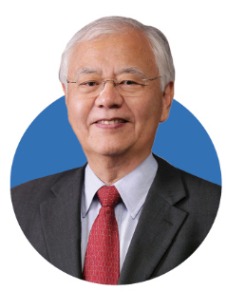
Roger King
Founding Director of the Roger King Center for Asian Family Business and Family Office at the Hong Kong University of Science and Technology and Adjunct Professor in the Department of Finance. From two prominent families, he is a serial entrepreneur who has served as founder, CEO and COO of several companies, combining the roles of leading industrialist and scholar.
Read full bioShow less
Professor King is Senior Advisor and Founding Director of the Roger King Center for Asian Family Business and Family Office and of the Thompson Center for Business Case Studies at the Hong Kong University of Science and Technology, and Adjunct Professor in the Department of Finance. His main teaching and research interests are family business, family office, family entrepreneurship and governance.
Professor King was formerly a lieutenant in the US Navy and took part in computer technology research at the Bell Whippany military research laboratory in the United States. He has held a number of senior leadership positions, including: Non-Executive Director of Orient Overseas (International) Limited, listed in Hong Kong; Managing Director and Chief Operating Officer of Orient Overseas Industries; Chairman and Founder of ODS System-Pro Computers Limited; Chairman of Euro-Asia Shipyard Limited; Chairman of Pacific Coffee; President and Chief Executive Officer of Sa Sa International Holdings Limited, listed in Hong Kong; Independent Non-Executive Director of Sincere Watch (Hong Kong) Limited, listed in Hong Kong; Director of Arrow Electronics, listed on the New York Stock Exchange; Supervisory Board member of TNT Express, listed in the Netherlands; President of the Harvard Business School Association of Hong Kong; Chairman of the Association of Honorary Consuls in Hong Kong and Macau; Honorary Consul of the Republic of Latvia in the Hong Kong Special Administrative Region; Standing Committee Member of the Zhejiang Provincial Committee of the Chinese People’s Political Consultative Conference; and member of the Councils of Hong Kong Baptist University and the Hong Kong University of Science and Technology.
Professor King currently serves as Honorary Member of the Advisory Board of the Hong Kong University of Science and Technology, member of the Council of Tel Aviv University, member of the International Advisory Board of the Coller School of Management at Tel Aviv University, member of the Academic Council of the Skolkovo School of Management in Moscow, Chair of the Case Center of the Association of Asia-Pacific Business Schools, member of the Advisory Board of the Israel–Asia Center, member of the International Advisory Board of the Family Business Center of New York City, member of the Family Business Advisory Board of EY, and member of the editorial board of the academic journal Journal of Family Business Strategy.
Professor King holds a bachelor’s degree in electrical engineering from the University of Michigan, a master’s degree in electrical engineering from New York University, a diploma from the Advanced Management Program at Harvard Business School, and a doctorate in finance from the Hong Kong University of Science and Technology. In 2011 he was awarded the title of Honorary Fellow by the Hong Kong University of Science and Technology. Professor King is also a member of Eta Kappa Nu and Beta Gamma Sigma, honor societies for electrical engineers and business scholars.
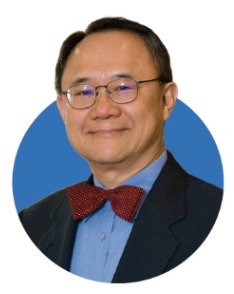
Jess Chua
Distinguished Professor of Family Business at the University of Calgary in Canada and Lancaster University in the United Kingdom, and Chair of the Academic Advisory Committee of the Roger King Center for Asian Family Business and Family Office at the Hong Kong University of Science and Technology. He ranks among the top 1% most-cited scholars worldwide in economics and management.
Read full bioShow less
Professor Chua (ancestral home in Jinjiang, Fujian) is a Chinese Canadian. Born into a Filipino Chinese family, he was a distinguished professor at the University of Calgary in Canada and at Lancaster University Management School in the United Kingdom. At Zhejiang University he successively held the Fangtai Chair Professorship, the Yue-Kong Pao Chair Professorship and the Qiushi Chair Professorship.
Professor Chua’s research is remarkable: he published four books and three monographs, and more than 100 research papers on financial management and family business governance in international academic journals. In recognition of his outstanding contributions to teaching, research and consulting in business management, he received the Management Education Leadership Award from the Financial Post (Canada), the Research Impact Award from the Greif Center for Entrepreneurial Studies at the University of Southern California (USA) and the Lifetime Impact Award from the Family Enterprise Research Conference. His academic influence is widely recognized: Web of Science has identified him as one of the world’s most highly cited 1% of scholars in economics and management. He has also served as a director of listed and unlisted Canadian companies, senior adviser to a securities firm, adviser to an international consulting firm, government-appointed representative on the council of a professional association, and director of his own family business.
Family BusinessesDynamics, Equilibrium & Consolidation
The Nature of Family Businesses
- Chapter 1Balance Between Business and Family
- Chapter 2The Economic Impact of Family Businesses
- Chapter 3Characteristics of Family Businesses
Interpersonal Relationships in Family Businesses
- Chapter 4Family Relationships
- Chapter 5The Nature of Family Business Conflict
- Chapter 6Causes of Family Business Conflict and How to Resolve It
- Chapter 7Positive Psychology: Well-Being in Family and Business
Professionalization of Family Businesses
- Chapter 8Toward Professionalization
- Chapter 9The Dynamic Coordination Model of Family Businesses
- Chapter 10Strategic Planning in Family Businesses
- Chapter 11Life Planning
- Chapter 12Governance Structures
Continuity of Family Businesses
- Chapter 13Succession Planning
- Chapter 14Founder Retirement
- Chapter 15Entrepreneurship in Family Businesses
- Chapter 16Growth in Adversity for Family Businesses
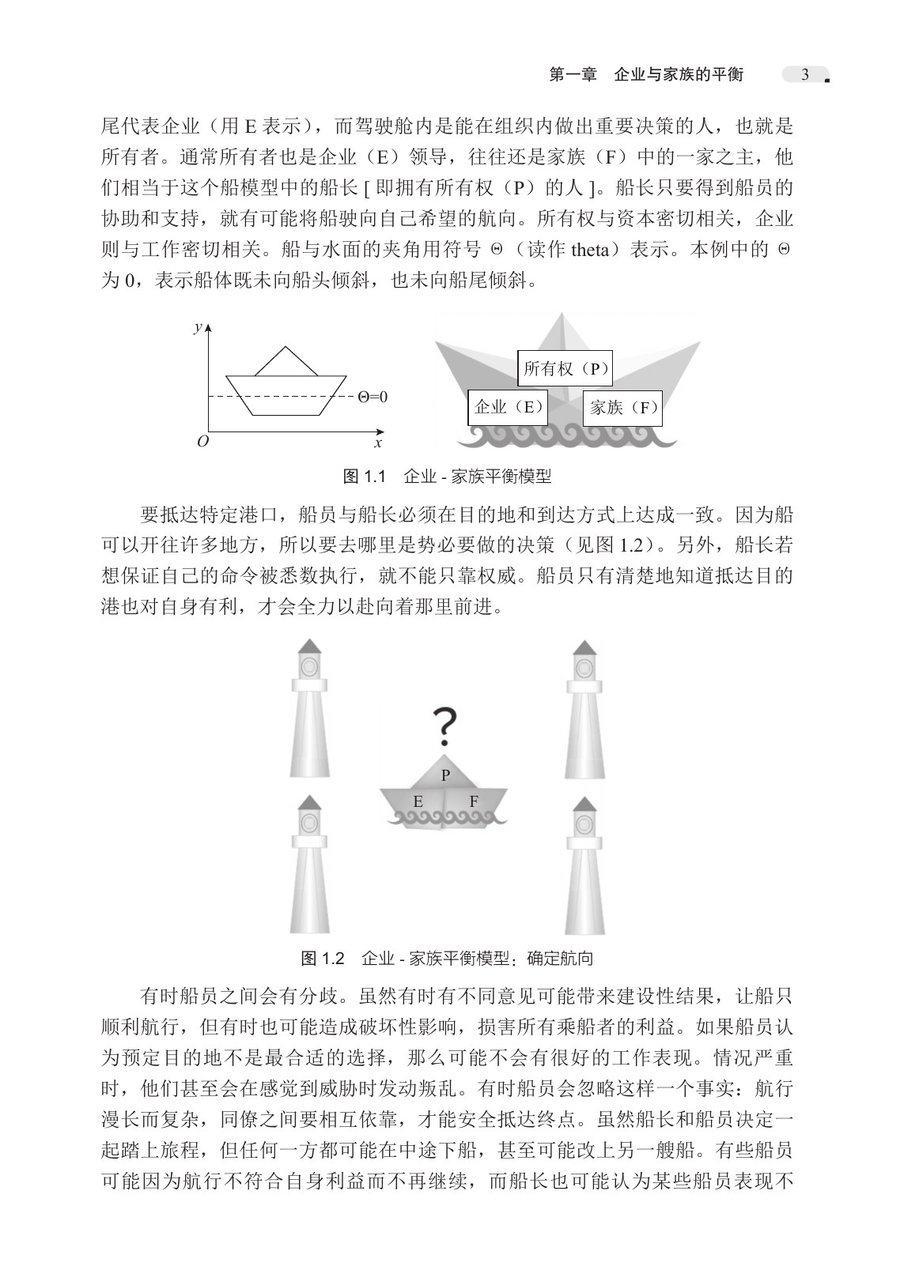
Balance Between Business and Family
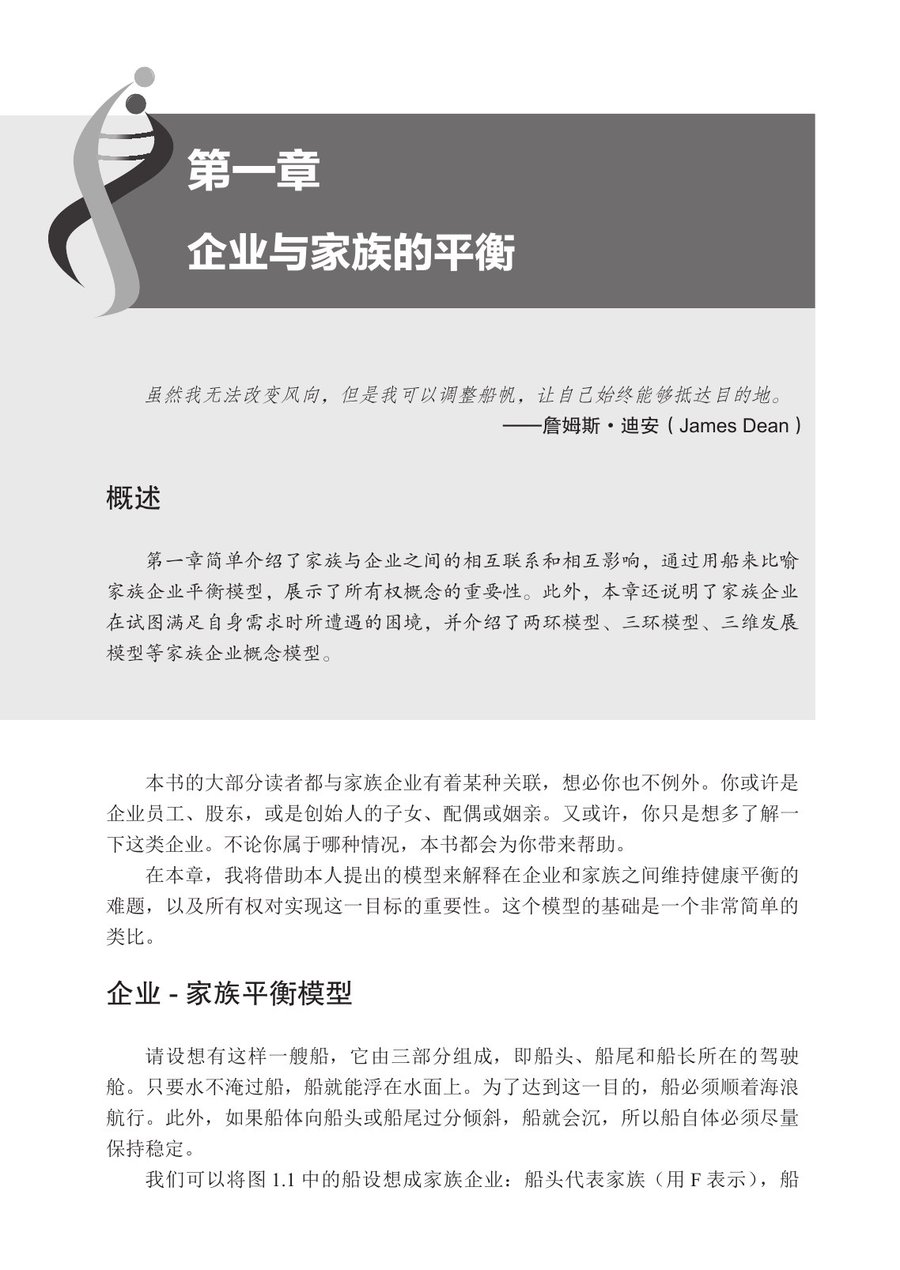
Through this book, we hope to offer practical insights and academic support to the following readers:
- Asian family business owners and their family members;
- Owners of Asian family offices and their family members;
- Professionals who provide services to Asian family businesses or family offices;
- Undergraduate students, graduate students, MBA, EMBA and DBA students, and executive education participants who are studying or researching Asian family businesses;
- Scholars, government officials and policymakers who follow the development of Asian family businesses.

The Roger King Center for Asian Family Business and Family Office at the Hong Kong University of Science and Technology has always been committed to advancing research on family businesses in the Asian context.
Over the years, the Center has accumulated a wealth of research and has actively promoted cross-regional academic exchange and knowledge dissemination, striving to become an important platform connecting academia and practice, and Asia and the world.